Smile Center Dentistry's Teeth Whitening process pairs enamel-safe formulations with desensitizing steps, since sensitivity is the most common complaint we hear about whitening done elsewhere.

Every Smile Center Dentistry office offering Teeth Whitening is held to the same four standards, verified before the office ever joins our network.

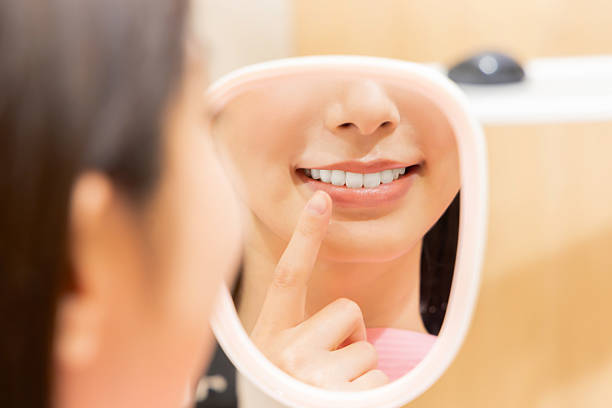
We document your baseline shade with a shade guide before starting, so you can actually see the difference afterward.
We won't push maximum-strength whitening on a patient whose enamel or gum health doesn't support it.
Patients with a history of sensitivity get a modified schedule to minimize discomfort during treatment.
Both in-office and take-home options are quoted clearly upfront, so you can choose based on budget and timeline, not guesswork.
Every option below is available under the same upfront-pricing standard, whichever specific service ends up fitting your case.
Gum and soft tissue are shielded throughout the appointment to protect against irritation. Results vary by staining type, and we'll set realistic expectations beforehand.
Custom-fitted trays and a lower-concentration gel let you whiten gradually over one to two weeks at home. We check in partway through to confirm the schedule is working as expected.
For patients with a history of sensitive teeth, a desensitizing step before whitening substantially reduces discomfort. This step adds a little time but makes the entire process far more comfortable.
Some discoloration comes from inside the tooth — from old trauma, certain medications, or a prior root canal — and responds differently to standard whitening. Internal bleaching is an option for certain single dark teeth, distinct from full-mouth whitening.
Whitening fades gradually with coffee, tea, and red wine exposure — we'll set a realistic touch-up schedule. Most patients touch up every six to twelve months depending on diet and habits.

Here's exactly what to expect, start to finish, for Teeth Whitening at any of our affiliated offices.
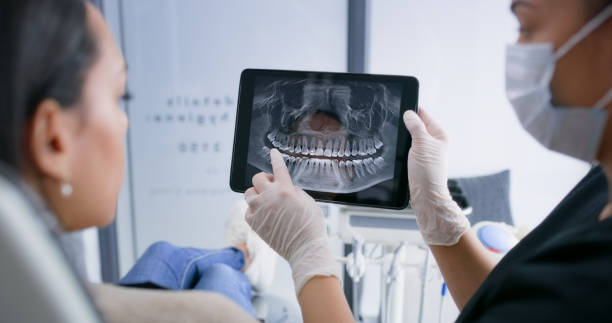
A short assessment tells us which whitening approach fits your case best.
Both paths are explained clearly so you can pick based on your schedule and budget.
Desensitizing steps are built into the process, whether you're in the chair or using take-home trays.
You'll leave with a clear sense of how long results should last given your habits.

These are unedited, from patients who've actually been through Teeth Whitening treatment with us in the past year.
“Take-home trays worked better for me than I expected, and barely any sensitivity thanks to the desensitizing step.”
“They were upfront that one of my teeth wouldn't whiten the same as the others because of an old root canal. Appreciated the honesty.”
“In-office results were visible immediately, and they walked me through exactly what to expect beforehand.”
“My teeth are usually sensitive to everything, and this was the first whitening treatment that didn't leave me wincing for days.”
“The touch-up kit they gave me has kept results looking fresh for almost a year now.”

Straight answers to what people actually want to know before committing to Teeth Whitening.
We'll set realistic expectations at your shade assessment based on your specific staining.
Some temporary sensitivity is common, but desensitizing steps built into the process minimize it significantly.
Both are effective — the right choice depends on your timeline and sensitivity tolerance.
Intrinsic staining from old trauma or a prior root canal responds differently to whitening gel than surface staining does.
Coffee, tea, and red wine speed up fading — a touch-up kit helps maintain results longer.
Formulations and concentrations are selected based on your enamel condition and sensitivity history — we don't use a one-size-fits-all approach.
If you're unsure whether your part of Stuart is covered, a quick call settles it faster than searching online.
We serve Stuart patients looking to brighten their smile safely, with an honest assessment before any gel touches your teeth. Take-home kits are available for pickup, so a second in-person visit isn't always required.